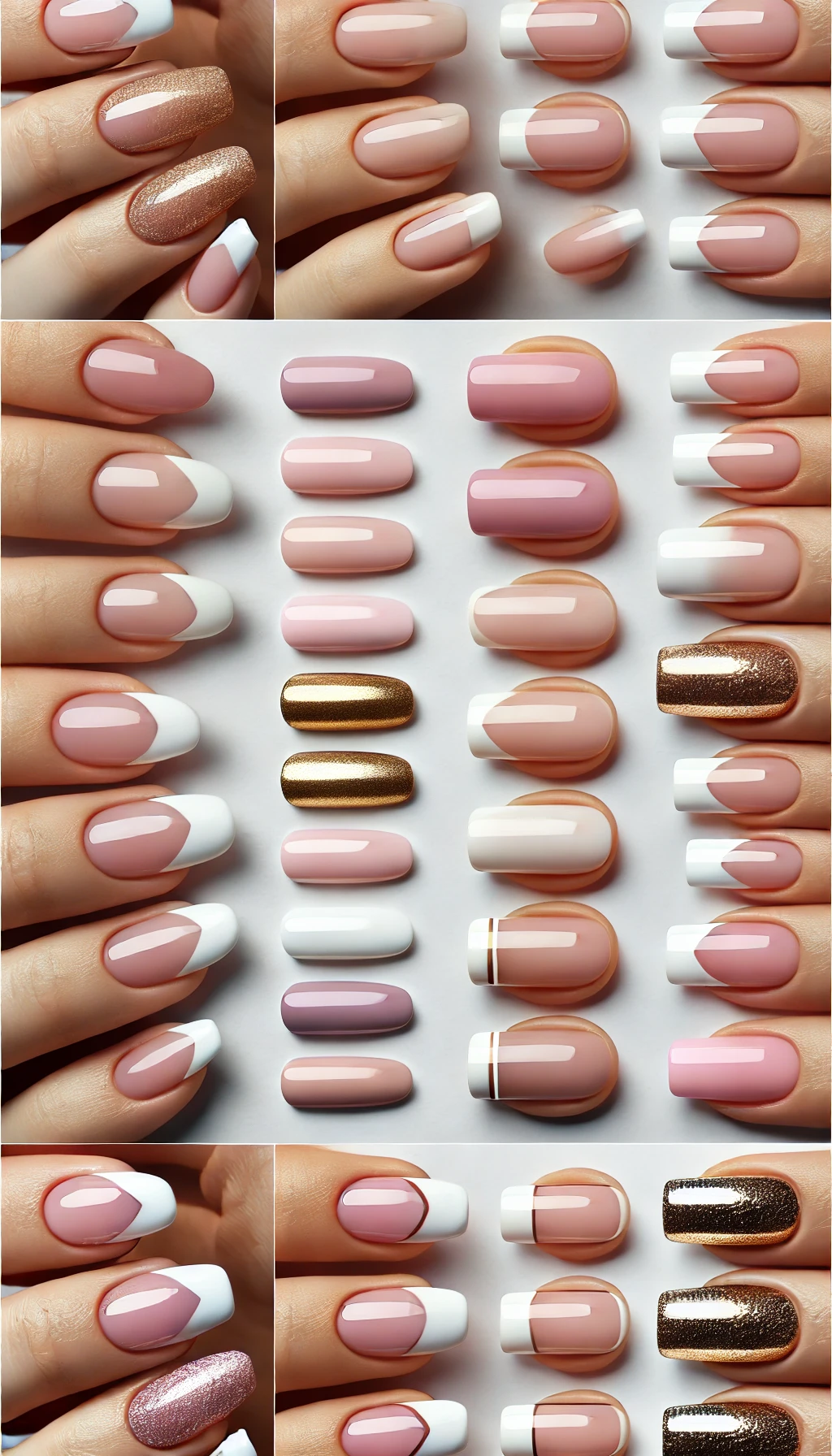
Russian manicure: what it is, how it works, and what to expect
Whether you want a classic look or modern design, we’ve got you covered. Book your appointment today for nails that will make heads turn.
The russian manicure is a technique that prioritizes the area around the cuticle above everything else. Using an electric file (e-file) instead of scissors or pushers, a trained technician removes dead skin and debris from the proximal fold — the ridge where the nail meets the skin — creating a finish that looks almost airbrushed at the base of the nail.
What is a russian manicure?
The russian manicure — also called the e-file manicure or dry manicure — is a nail technique developed in Eastern Europe that became widely popular in Russia and Ukraine before spreading globally. Unlike a classic manicure, which relies on soaking the nails in water and using manual tools, the russian manicure is entirely dry and uses a rotary electric file with precision drill bits to work on the skin around the nail plate.
The defining characteristic is how close to the skin the technician works. The result is an exceptionally clean nail-to-skin border that makes gel polish last significantly longer — because there is no lifted skin edge for the product to catch on and peel from.
How it differs from other manicure types
Most manicures work around the cuticle. The russian manicure works into it — safely removing only dead skin while preserving the living tissue that protects the nail matrix. This distinction matters for both the aesthetic result and the longevity of any color or overlay applied afterward. If you want to compare it with a softer, more traditional approach, see our guide to the french manicure.
How a russian manicure works — step by step
- Prep and shape. The technician starts on dry, clean nails — no water soaking. The nails are filed to the desired shape using a manual or e-file.
- Cuticle area work. Using a fine carbide or diamond drill bit, the technician carefully removes the dead skin layer (the eponychium) from the nail plate and cleans the proximal fold. Only non-living tissue is removed.
- Lateral wall cleaning. The sides of the nail (lateral folds) are cleaned with a slim bit to remove any dead skin overlapping the nail plate edges.
- Nail surface prep. A buffing or sanding bit smooths the nail plate surface, removing any shine and creating a clean adhesion base.
- Product application. Gel base coat, color, and top coat are applied — or a BIAB builder gel is used for added strength. Each layer is cured under UV or LED light.
- Finishing. A final cuticle oil is applied to nourish the surrounding skin after the service.
How long does it take?
A full russian manicure typically takes 75 to 120 minutes, depending on the nail condition, the technician's experience, and whether a gel overlay or nail art is included. The cuticle work alone takes 20–30 minutes when done properly — this is not a rushed service.
75–120 minutes for a full service with gel color
Every 3–4 weeks — longer than most manicures due to the clean adhesion base
Who is it for?
The russian manicure suits people who:
It is not recommended for clients with very sensitive skin, active skin conditions around the nail, or for those who are not comfortable with electric file tools. In those cases, a classic manicure or a gentle gel manicure may be a better fit.
How much does a russian manicure cost?
Pricing varies by location, salon type, and whether a gel overlay is included. The table below reflects typical ranges across the US market and key Asian cities where the technique has grown in popularity.
| Location | Low end | Average | High end | Notes |
|---|---|---|---|---|
| New York, NY | $65 | $90 | $140+ | Premium salons can charge $150–$200 |
| Los Angeles, CA | $60 | $85 | $130 | Wide variation by neighborhood |
| Chicago, IL | $55 | $75 | $110 | — |
| Miami, FL | $55 | $80 | $125 | High demand in South Beach area |
| Bali, Indonesia | $18 | $30 | $55 | Upscale salons in Seminyak/Canggu |
| Bangkok, Thailand | $20 | $35 | $60 | Mall salons vs. boutique studios |
| Singapore | SGD 60 | SGD 85 | SGD 130 | Among Asia's highest nail service prices |
Russian manicure vs. other manicure types
Understanding where the russian manicure sits relative to other services helps you choose based on your nail goals and lifestyle. For a full breakdown of service differences, see our classic manicure and american manicure guides.
| Service | Cuticle work | Technique | Longevity | Best for |
|---|---|---|---|---|
| Russian manicure | Deep / e-file | Dry, electric | 3–4 weeks Best | Precision finish, gel wearers |
| Gel manicure | Standard | Wet or dry | 2–3 weeks Good | Color longevity, everyday wear |
| BIAB manicure | Standard | Overlay method | 3–5 weeks Best | Nail strengthening, growth |
| Classic manicure | Basic | Wet, manual | 5–7 days Basic | Quick polish, natural look |
| French manicure | Basic | Wet or gel | 1–3 weeks Good | Timeless, clean aesthetic |
Where to get a russian manicure
Not all nail salons offer this technique — it requires a trained e-file technician and proper sterilization equipment. Use the Nail Shop Guide directory to find vetted salons in your city:
Looking for a wellness-focused salon? Check our wellness nail salons in Bali and Bangkok directories.
Frequently asked questions about russian manicure
When performed by a trained technician using properly sterilized equipment, a russian manicure is considered safe. The key risk factor is the skill level of the person performing it: working too aggressively with an e-file near living tissue can cause micro-abrasions, damage to the nail matrix, or infection. Always verify that your technician has specific training in e-file techniques and that the salon uses an autoclave or hospital-grade sterilization for drill bits between clients.
It should not hurt. Some clients feel mild warmth or tickling from the e-file vibration, particularly around the lateral folds. Discomfort or stinging is a signal that the technician is working too deeply or too quickly. If you feel pain during the service, ask them to stop and adjust pressure. First-time clients with heavy cuticle buildup may be more sensitive in the first session.
A russian manicure with gel polish typically lasts 3 to 4 weeks before needing a fill or removal. Because the cuticle area is thoroughly cleaned before application, there is minimal lifting at the base — which is the most common reason gel polish chips or peels early. Some clients stretch their appointments to 4–5 weeks with proper aftercare. Compare this to a standard gel manicure, which usually lasts 2–3 weeks.
Yes. Some US states have issued guidance or restrictions on certain aspects of the russian manicure technique. Regulations vary by state and are administered by individual cosmetology boards. The concerns center on using e-files on skin tissue, which falls outside the scope of practice in some jurisdictions. Before booking, check whether salons in your state are licensed to offer this specific service. In many US states, the technique is offered but the scope of cuticle work may be modified to comply with local regulations.
The main difference is in the prep work. A regular gel manicure focuses on applying long-lasting gel polish with standard cuticle care. A russian manicure treats the entire area around the nail plate with an electric file before any product is applied, resulting in a cleaner base and longer wear. The gel application process itself is similar — the distinction is entirely in the preparation stage.
Yes. The russian manicure is performed on natural nails — the e-file prep work is done on the skin and nail surface, not on extensions. After the prep, you can choose to apply gel polish, a BIAB builder gel overlay for added strength, or simply finish with a buffed natural nail. The technique is particularly beneficial for those trying to grow their natural nails, as the clean adhesion base reduces the risk of product lifting and breakage.
Come with clean, dry nails — no lotion, oil, or old polish on the nail plate. Avoid trimming your cuticles at home before the appointment, as the technician will handle this precisely during the service. If you have any cuts, inflammation, or active skin irritation around the nails, reschedule until the skin has healed. Inform your technician if you have a history of nail infections or fungal conditions.
Use the Nail Shop Guide directory to find salons that offer this service. We currently list vetted salons in Bali, Bangkok, and Ho Chi Minh City in Asia. US city pages are expanding — check the full nail salons directory for the latest listings.
Apply cuticle oil daily — especially in the first week. The e-file work removes the dead skin layer that normally shields the nail fold, so the area needs moisture while it regenerates. Avoid prolonged water exposure in the first 24 hours. Use gloves for cleaning or dishwashing to extend the life of your gel polish. Avoid picking or peeling the product, as this can remove layers of the natural nail plate along with the gel.
Why Choose Nail Shop Guide for Nail Services
At Nail Shop Guide, finding nail services and top-notch nail technicians has never been easier. Whether you’re at home or traveling across the USA and Asia, our user-friendly platform allows you to discover and connect with manicurists near you, offering a wide range of manicure and pedicure services.
With just a few clicks, you’ll have access to trusted professionals ready to bring your nail art visions to life, wherever you are in the United States.
Expert Selection
Professionals and licensed salons are highlighted listed.
Convenient Scheduling
Book directly with the salon or professional through our platform.
Wide Range of Services
From basic manicures to high-end luxury treatments.
Accessible Nationwide
Be anywhere and find the perfect professional or beauty salon.